
Explore our world-class mountaineering library, apply for one of our grants, and dig in to your member resources.


Activity Notes
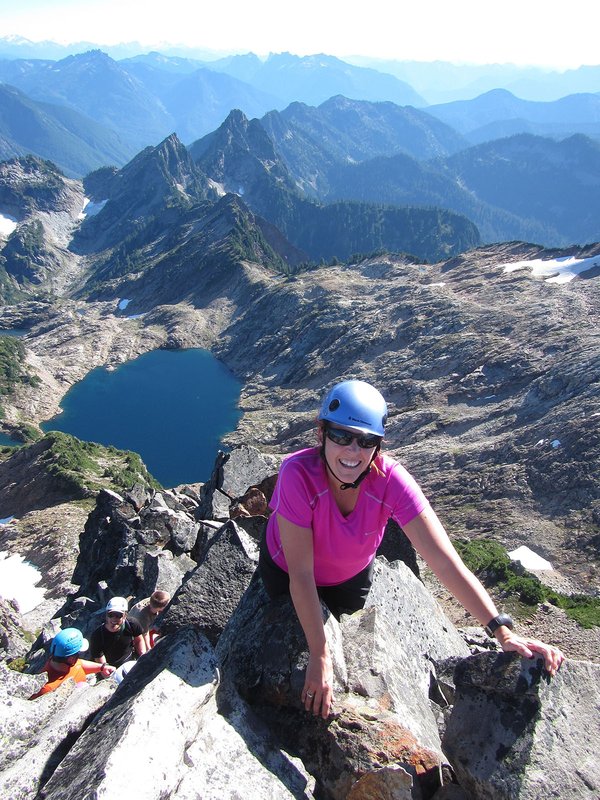
Our route up Diamond Peak is not technical but is demanding in that there is a stretch of relatively steep scree that requires perseverance and a there are a few rocky areas to maneuver along the summit ridge. The mountain is what remains of a deeply eroded shield volcano. Into the latter half of the 20th century, there was one remaining glacier on the mountain. Many lakes surrounding the mountain fill depressions gouged out by the movement of glaciers – Odell and Crescent Lakes are the largest examples. Diamond Peak attains an elevation of about 8,750’ making it higher than Mt. St. Helens and the 11th highest mountain in the Oregon Cascades.
We will be backpacking in from the Rockpile Trailhead, starting at 11:30 AM on Thursday, August 28. The trailhead sits at approximately 5,200’ in elevation. We will travel about 2.5 to 3 miles and have a total elevation gain of around 1,000-1,200 feet, depending on where exactly we camp. We will likely camp at Rockpile Lake where there is sufficient flat area for setting up tents and access to water.
On Friday, August 29, we will depart camp at 7 AM. It will take about three to four hours to reach the summit from our camp. We will then reverse our route to camp. It will take perhaps two hours to return to camp. We will then break camp and head out. We should be back a the trail head no later than 6 PM and hopefully earlier. Total ascent on climb day is around 2,500 feet.